


































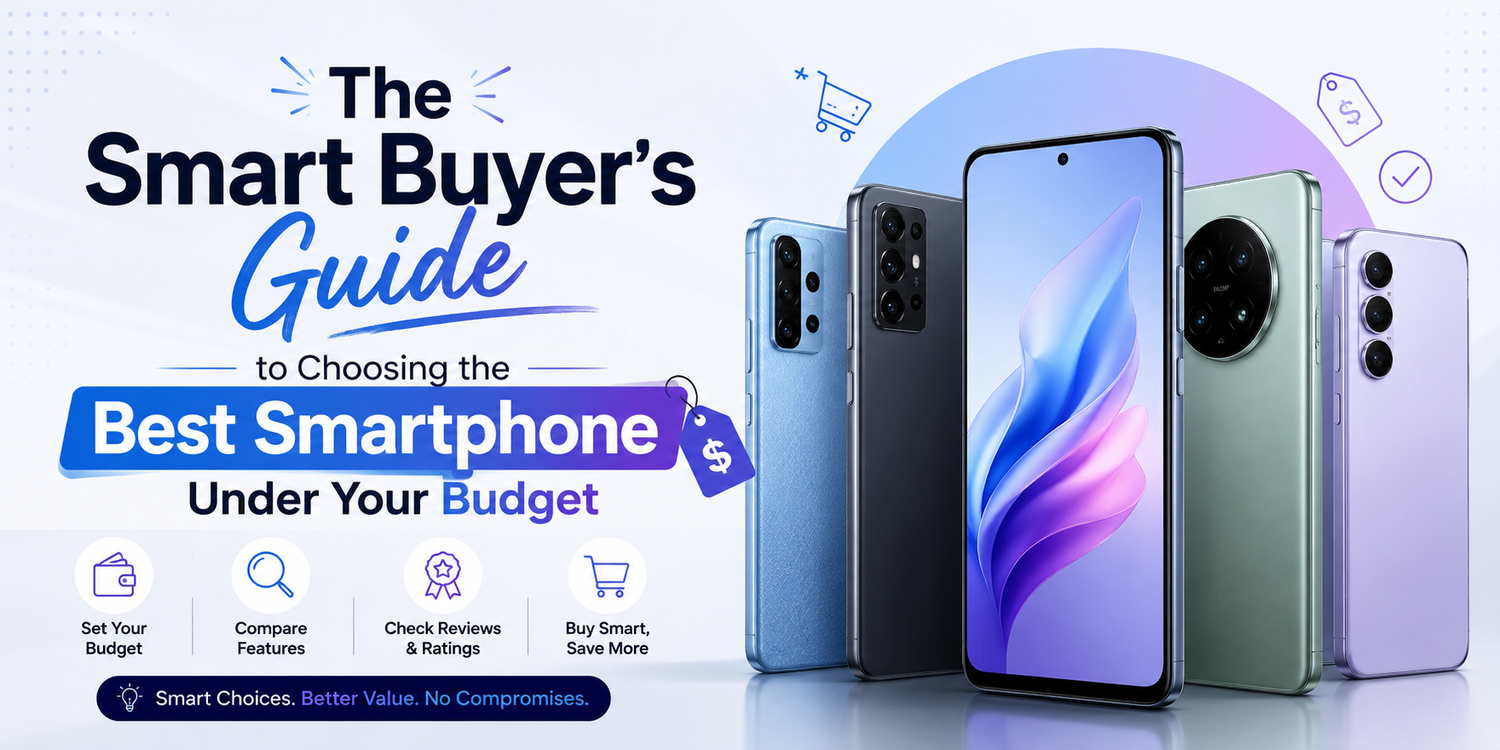
Buying a smartphone in 2026 feels more confusing than ever before. Every brand claims to offer flagship-level performance, AI-powered cameras, massive batteries, and gaming-ready processors. Whether you look at Samsung, Apple, OnePlus, Xiaomi, Nothing, Motorola, or Realme, every phone suddenly sounds like the “best value for money.”The reality is much simpler.Most people do not actually need the most expensive smartphone on the market. They need a phone that fits their lifestyle, daily habits, and budget without creating unnecessary financial pressure.The smartphone market has evolved dramatically over the last few years. Budget and mid-range phones have become so powerful that many users can barely notice the difference between them and premium flagships during normal usage.That changes everything.A smart buyer in 2026 focuses less on hype and more on practical value.The first thing every buyer should understand is that flagship marketing can be extremely misleading. Smartphone companies aggressively promote ultra-fast processors, AI editing tools, zoom cameras, and gaming features because premium devices generate attention.But most users mainly use smartphones for:
-
social media
-
YouTube
-
messaging apps
-
Netflix
-
casual gaming
-
photography
-
video calls
For these tasks, modern mid-range smartphones already perform extremely well.This is why spending more money does not always create a noticeably better experience.Setting a clear budget before shopping is one of the smartest decisions any buyer can make. Many people start searching without defining a proper limit, which usually leads to overspending. Every time you compare phones, there will always be another model that looks “slightly better” for a slightly higher price.That cycle never ends.A smart buyer chooses a realistic budget and focuses on finding the best value within that range.Understanding your actual needs is equally important. Many buyers purchase phones for imaginary future usage instead of their real daily habits. If your routine mainly includes social media scrolling, streaming videos, taking casual photos, and messaging, you probably do not need extreme flagship performance.However, if you regularly play heavy games, edit videos, multitask heavily, or use professional apps, then stronger performance becomes more important.Battery life is another feature that deserves far more attention than raw specifications. In real-world usage, reliable battery performance affects daily satisfaction more than benchmark scores.A phone with smooth battery optimization and fast charging often feels better than a more powerful phone that constantly needs charging throughout the day.This is especially important for:
-
students
-
travelers
-
office workers
-
gamers
-
content consumers
Camera marketing is another area where buyers often get trapped. Smartphone brands love advertising massive megapixel numbers because they sound impressive, but good photography depends more on image processing, color accuracy, low-light optimization, and software tuning.Most mid-range phones today already take excellent photos for Instagram, TikTok, WhatsApp, and casual photography.Unless you are a professional creator or photographer, you probably do not need flagship-level camera systems.Display quality also plays a major role in overall smartphone experience. You spend hours looking at your phone screen every single day, which means display quality directly affects comfort and enjoyment.
A good display improves:
-
streaming
-
gaming
-
social media
-
reading
-
browsing
-
overall user experience
Even affordable smartphones now offer bright screens, smooth refresh rates, and vibrant colors that were once exclusive to premium devices.Performance is still important, but most users overestimate how much power they truly need. Modern smartphones have become incredibly efficient, and even many mid-range devices now handle multitasking, gaming, and everyday usage comfortably.Unless you are a hardcore mobile gamer or heavy professional user, you may barely notice performance differences between upper mid-range phones and expensive flagships during normal daily use.Software experience matters just as much as hardware. A phone can have excellent specifications and still feel frustrating because of poor software optimization.
Smooth software improves:
-
app performance
-
battery efficiency
-
animations
-
multitasking
-
long-term usability
This is why smart buyers always check software support and brand reputation before purchasing a phone.Comfort and design also matter more than people realize. You hold your smartphone every day, so a device that feels too heavy, too large, or uncomfortable can quickly become annoying.Modern buyers increasingly care about:
-
lightweight designs
-
slim profiles
-
premium feel
-
comfortable handling
because everyday comfort directly affects overall satisfaction.The smartest category for most users in 2026 is usually the mid-range segment. This is where buyers often get the best balance between:
-
battery life
-
performance
-
cameras
-
display quality
-
design
-
overall value
Mid-range phones today are genuinely impressive and already powerful enough for most people.At the end of the day, smart smartphone buying is not about chasing the most expensive device. It is about understanding your priorities and choosing a phone that fits your lifestyle without unnecessary spending.The best smartphone is not always the flagship model.The best smartphone is the one that gives you the right balance of features, comfort, performance, and value for your budget.
FAQs
How much should I spend on a smartphone in 2026?
The ideal budget depends on your needs, but most users can get an excellent experience from mid-range smartphones without spending flagship-level money.
Are expensive smartphones always better?
Not necessarily. Many mid-range phones now offer performance, displays, and cameras that feel very close to premium flagships during everyday usage.
What matters more: battery life or performance?
For most users, battery life matters more because it directly affects daily convenience and overall smartphone experience.
Do I really need a flagship smartphone?
Only if you need premium features like professional photography, advanced gaming performance, or high-end productivity tools.
Are gaming smartphones worth buying?
Gaming phones are mainly useful for heavy mobile gamers. Casual users usually do not need dedicated gaming devices.
How important is software support?
Software support is extremely important because it affects security, performance, updates, and long-term usability.
Should I focus on megapixels when buying a phone?
No. Camera quality depends more on image processing and software optimization than megapixel numbers alone.
What is the best smartphone category for most buyers?
For most people, mid-range smartphones offer the best balance between price, performance, battery life, cameras, and overall value.