


































Smartwatches have evolved into powerful health and wellness tools, helping millions of users monitor their daily activity, sleep patterns, heart health, stress levels, and overall fitness. Whether you're considering your first smartwatch or upgrading to a newer model, you probably have questions about how these health features work and how accurate they really are.Modern devices from brands such as Garmin, Apple, Samsung, Fitbit, and Google offer increasingly advanced health tracking capabilities, making it easier than ever to understand your body and improve your lifestyle.
What Health Metrics Can a Smartwatch Track?
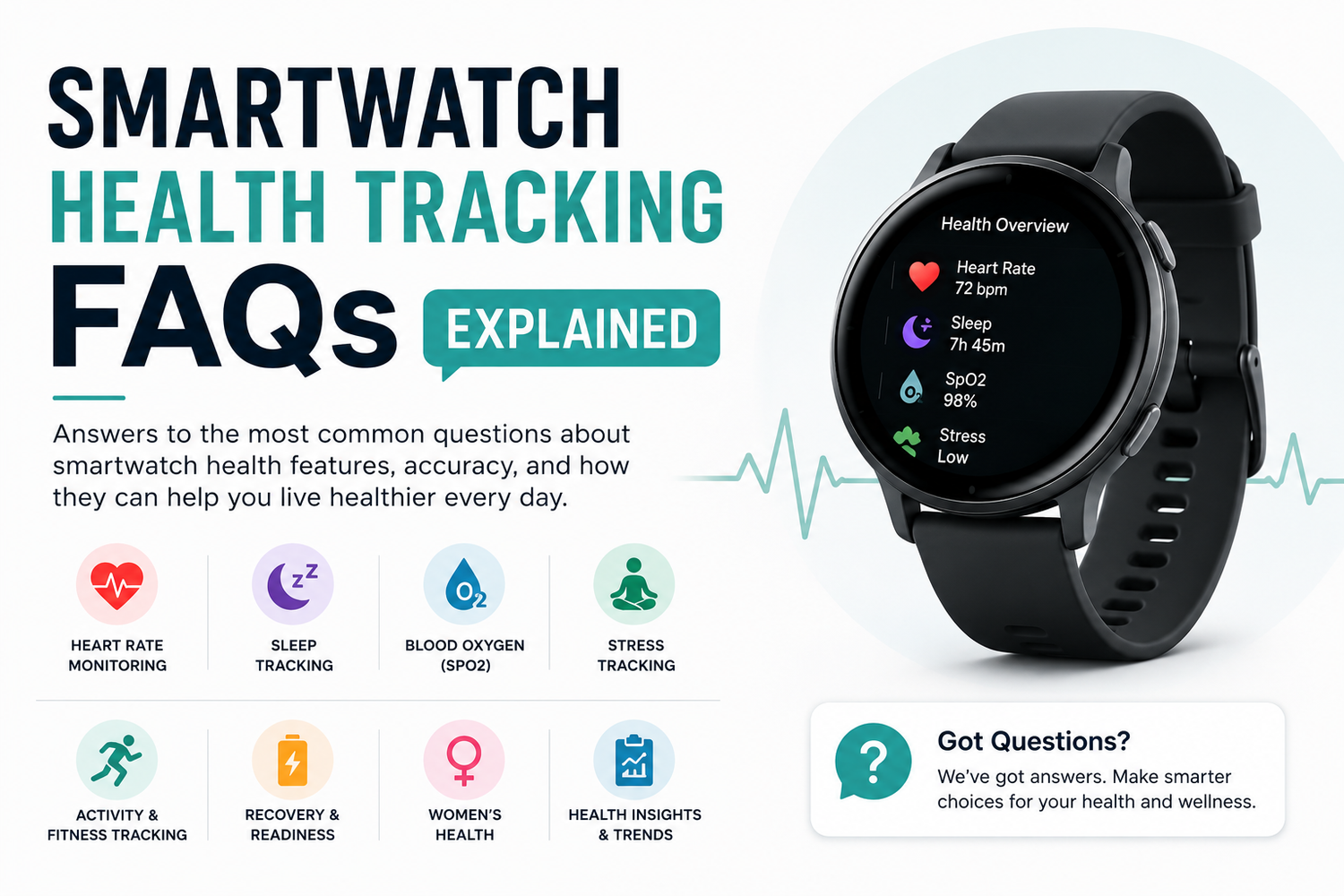
Most modern smartwatches can track a wide range of health-related metrics.Common features include heart rate monitoring, sleep tracking, step counting, calorie estimation, stress monitoring, blood oxygen measurement (Pulse Ox or SpO2), respiration tracking, workout tracking, and activity monitoring.Premium smartwatches may also include ECG functionality, skin temperature monitoring, recovery analysis, women's health tracking, and advanced fitness metrics.The exact features available depend on the smartwatch model and manufacturer.
How Accurate Is Smartwatch Heart Rate Tracking?
Heart rate tracking has become one of the most reliable smartwatch features.Most smartwatches use optical sensors located on the underside of the watch to measure blood flow through the skin. These sensors can provide highly accurate readings during everyday activities and moderate exercise.While no consumer smartwatch is as precise as medical-grade equipment, modern devices generally provide reliable heart rate information for fitness and wellness purposes.Factors such as watch fit, movement, skin tone, and exercise intensity can influence accuracy.For most users, heart rate tracking is accurate enough to monitor overall cardiovascular health and workout intensity.
Can Smartwatches Detect Health Problems?
Smartwatches are not medical devices, but they can help identify unusual patterns that may warrant further attention.Features such as irregular heart rhythm notifications, ECG monitoring, elevated resting heart rate alerts, and blood oxygen tracking can sometimes highlight potential concerns.However, smartwatch data should never replace professional medical advice or diagnosis.If a smartwatch detects unusual readings or symptoms, users should consult a healthcare professional for proper evaluation.Think of smartwatches as wellness tools rather than diagnostic equipment.
How Does Sleep Tracking Work?
Sleep tracking uses a combination of sensors to estimate sleep duration and quality.Smartwatches analyze movement patterns, heart rate changes, respiration rates, and other physiological indicators to determine when you fall asleep, wake up, and transition between different sleep stages.Many devices categorize sleep into stages such as light sleep, deep sleep, and REM sleep.The resulting data helps users understand sleep habits and identify opportunities to improve recovery and overall wellness.Although sleep tracking is not perfect, it provides valuable insights into long-term sleep patterns.
Are Smartwatch Sleep Scores Useful?
Yes, sleep scores can be very useful when viewed over time.Rather than focusing on a single night's score, users should look for trends and patterns. A consistently low sleep score may indicate poor sleep quality, excessive stress, irregular schedules, or recovery issues.Many smartwatches also provide recommendations based on sleep data, helping users make healthier lifestyle choices.Sleep scores are most valuable when combined with other wellness metrics such as stress levels and activity tracking.
What Is Blood Oxygen Monitoring?
Blood oxygen monitoring, often called SpO2 or Pulse Ox tracking, measures the percentage of oxygen carried in the blood.Smartwatches use specialized optical sensors to estimate oxygen saturation levels throughout the day or while sleeping.This feature can provide useful insights into respiratory health, sleep quality, and recovery status.However, smartwatch blood oxygen measurements are estimates and should not be considered medical-grade readings.Many users find this feature particularly helpful when exercising, traveling at high altitudes, or monitoring overall wellness.
What Is Stress Tracking and How Does It Work?
Stress tracking has become increasingly common in modern smartwatches.Most devices estimate stress levels by analyzing heart rate variability (HRV), which measures small changes in the time between heartbeats.Lower heart rate variability may indicate higher stress levels, while higher variability often reflects better recovery and relaxation.Stress tracking helps users become more aware of daily wellness patterns and encourages healthier habits such as exercise, mindfulness, and relaxation techniques.Some smartwatches even offer guided breathing exercises when elevated stress levels are detected.
What Is Heart Rate Variability (HRV)?
Heart Rate Variability, or HRV, measures the variation in time between individual heartbeats.Contrary to what many people assume, a perfectly steady heartbeat is not always ideal. Healthy individuals typically experience natural variations in heartbeat timing.HRV is often used as an indicator of recovery, stress, readiness for exercise, and overall wellness.Many advanced smartwatches use HRV data to generate recovery scores, readiness metrics, stress levels, and energy monitoring features.Higher HRV generally indicates better recovery and resilience, while lower HRV may suggest fatigue or increased stress.
What Is Garmin Body Battery?
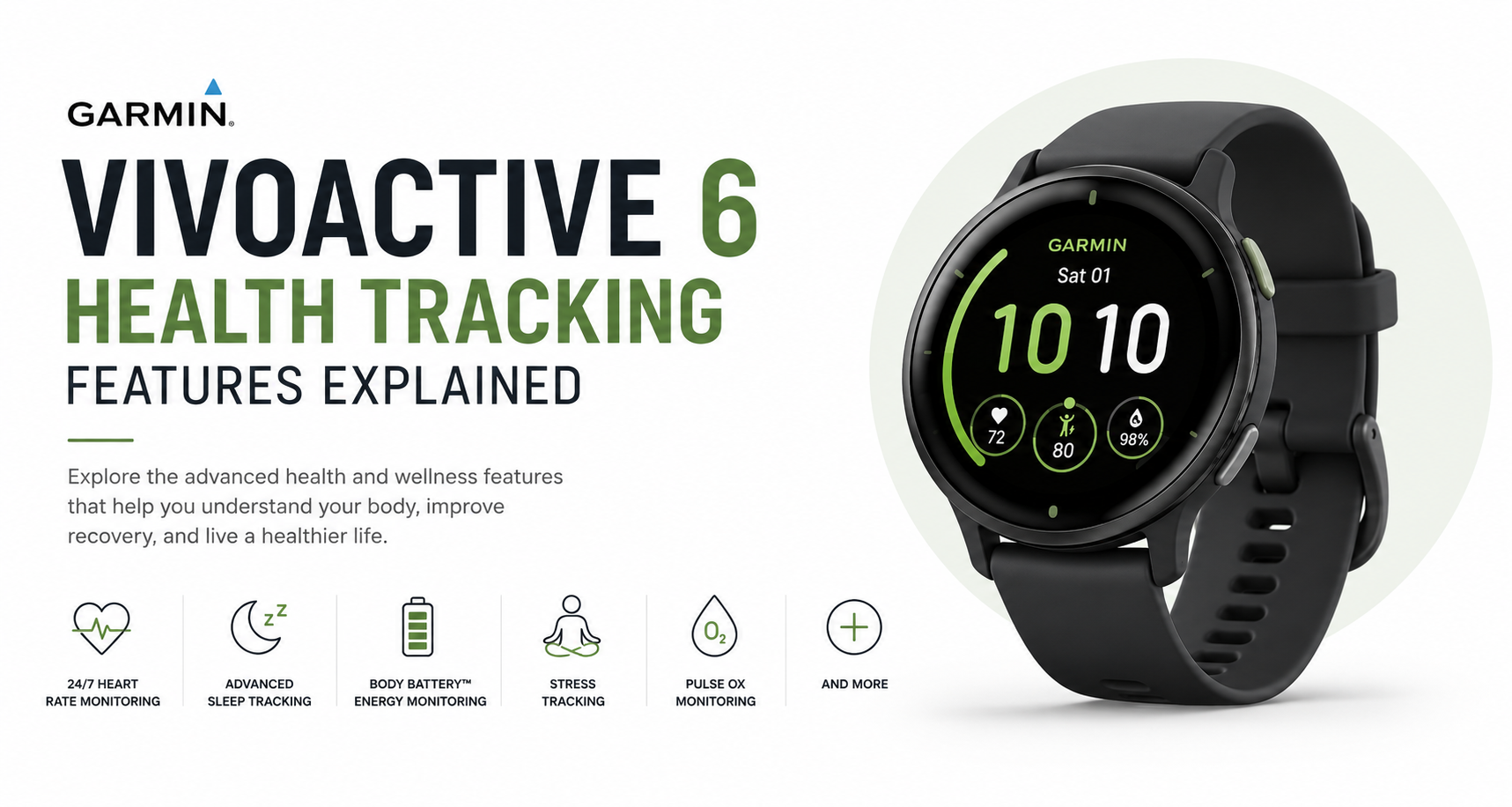
Garmin's Body Battery feature is one of the company's most popular health tools.It combines data from sleep, stress levels, activity, and heart rate variability to estimate your current energy reserves.The result is an easy-to-understand score that helps users determine whether they're ready for exercise or may benefit from additional recovery.Body Battery provides practical guidance for balancing activity and rest throughout the day.Many users find it surprisingly accurate in reflecting how they feel physically and mentally.
Can Smartwatches Track Recovery?
Yes, many modern smartwatches include recovery tracking features.Recovery metrics analyze factors such as sleep quality, heart rate variability, exercise intensity, stress levels, and daily activity.These insights help users understand whether their bodies are fully recovered or still experiencing fatigue from previous workouts.Athletes and fitness enthusiasts often use recovery data to optimize training schedules and reduce the risk of overtraining.Recovery tracking can be especially valuable for individuals following structured fitness programs.
Do Smartwatches Help Improve Fitness?
Absolutely.One of the biggest benefits of health-tracking smartwatches is increased awareness. Users gain access to detailed information about their activity levels, exercise habits, sleep quality, recovery, and overall wellness.This data encourages healthier behavior and helps users stay accountable to their goals.Many people become more active simply because their smartwatch reminds them to move, exercise, or maintain healthy habits.Consistent tracking often leads to better long-term fitness outcomes.
Which Smartwatch Offers the Best Health Tracking?
The best smartwatch depends on your needs.Garmin watches excel in fitness tracking, recovery metrics, and wellness insights. Apple Watches offer strong health monitoring and ecosystem integration. Samsung Galaxy Watches provide excellent health and smartwatch features for Android users. Fitbit remains popular for wellness tracking and ease of use.Each brand offers unique strengths, but today's leading smartwatches all provide impressive health tracking capabilities.