


































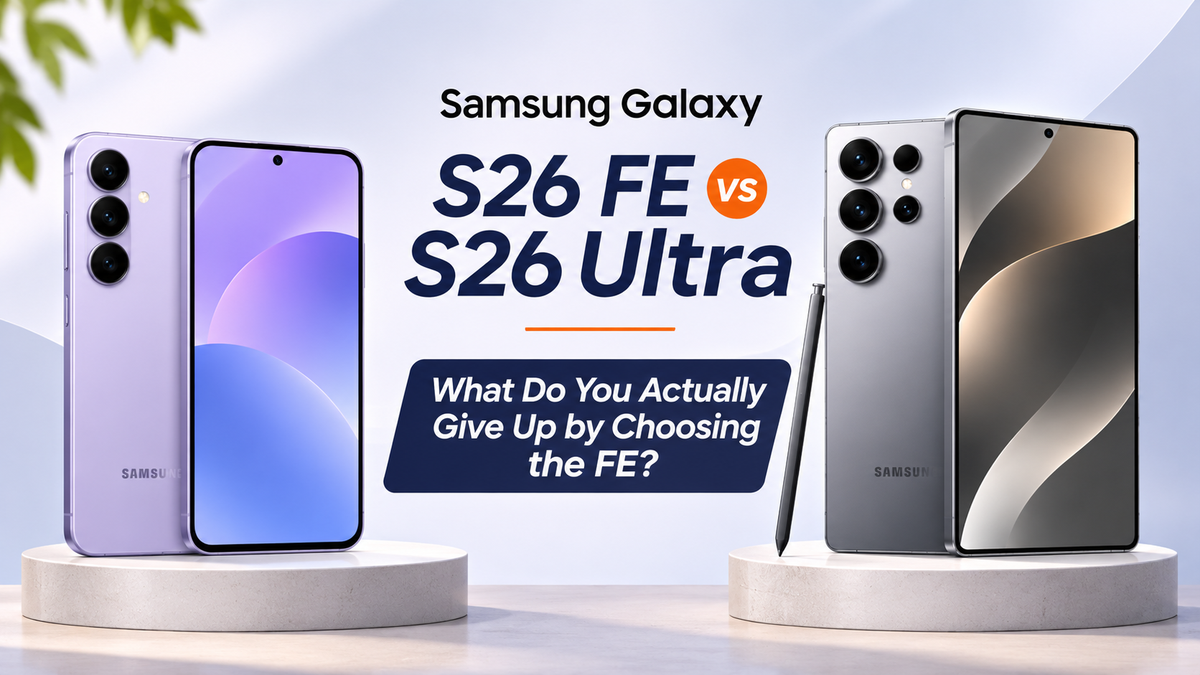
Choosing between the Samsung Galaxy S26 FE and Galaxy S26 Ultra raises an important question: is the premium Ultra model worth the additional money, or does the affordable Fan Edition deliver everything most smartphone users need? Samsung designed the Galaxy S26 FE to offer flagship-inspired features at a more accessible price, while the Galaxy S26 Ultra represents the company's premium smartphone experience. Both devices feature AMOLED displays, powerful processors, advanced cameras and Galaxy AI capabilities. However, differences in performance, photography, display technology and exclusive features can significantly influence the experience. In this Samsung Galaxy S26 FE vs Galaxy S26 Ultra comparison, we examine what you actually sacrifice by choosing the FE and whether those compromises matter for everyday Australian buyers.
Samsung Galaxy S26 FE vs Galaxy S26 Ultra: Design and Build Quality
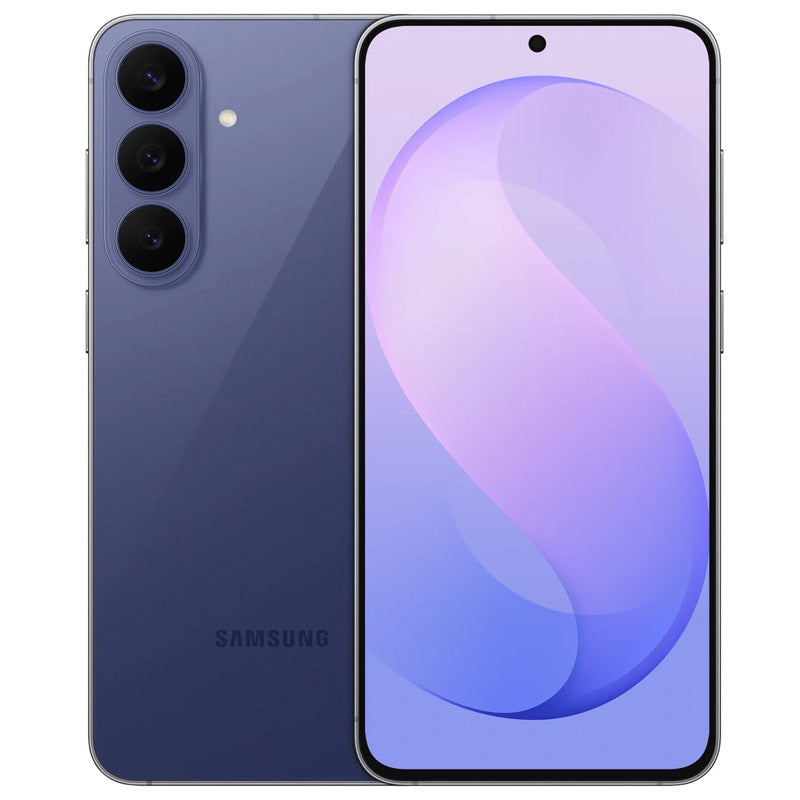
Both smartphones feature Samsung's modern design language, with slim profiles and premium-looking finishes. The Galaxy S26 FE measures 7.4mm thick and weighs approximately 193 grams, making it relatively comfortable for everyday use. The Galaxy S26 Ultra measures 7.9mm thick and weighs approximately 214 grams. Although the Ultra offers a more sophisticated design with additional productivity features, its larger dimensions and heavier construction may feel less convenient during extended use. Both smartphones feature IP68 water and dust resistance, providing protection against everyday environmental exposure. Choosing the FE therefore does not mean sacrificing essential durability. In fact, users who prefer a lighter smartphone may find the Galaxy S26 FE more comfortable.
Display Comparison: Is the Ultra Screen Noticeably Better?
Display technology represents one of the most significant differences between these smartphones. The Galaxy S26 FE features a 6.7-inch Dynamic AMOLED 2X display with Full HD+ resolution and a 120Hz refresh rate. It delivers vibrant colours, excellent contrast and smooth scrolling. The Galaxy S26 Ultra offers a larger 6.9-inch Dynamic AMOLED 2X display with QHD+ resolution and an adaptive refresh rate ranging from 1Hz to 120Hz. The additional resolution produces sharper text and finer visual details. The Ultra also introduces Samsung's integrated Privacy Display technology, which limits screen visibility from certain side angles when activated. This feature is useful when viewing sensitive information in public environments. However, for everyday browsing, video streaming and social media, the Galaxy S26 FE already provides an impressive viewing experience.
What You Give Up: Higher display resolution, a wider adaptive refresh-rate range and built-in Privacy Display functionality.
Performance Comparison: Exynos 2500 vs Snapdragon 8 Elite Gen 5
Performance differences become more noticeable during demanding activities. The Galaxy S26 FE uses Samsung's Exynos 2500 processor, manufactured using a 3nm process. This chipset delivers strong performance for multitasking, streaming, photography and popular mobile games. The Galaxy S26 Ultra features the Snapdragon 8 Elite Gen 5 for Galaxy processor, designed for premium performance and demanding workloads. The Ultra also offers 12GB RAM in standard configurations, with up to 16GB available in selected versions. The Galaxy S26 FE includes 8GB RAM. For everyday activities such as messaging, browsing and watching videos, both smartphones should feel responsive. However, the Ultra provides greater processing headroom for demanding games, intensive multitasking and advanced content creation. Users who frequently play graphics-intensive games may appreciate the additional performance.
What You Give Up: Higher peak processing performance, additional RAM and greater power for demanding applications.
Camera Comparison: Is the Galaxy S26 Ultra Worth the Premium?
Camera hardware is arguably the biggest reason to consider the Galaxy S26 Ultra. The Galaxy S26 FE features a 50MP main camera, 12MP ultra-wide camera and 8MP telephoto camera with 3x optical zoom. Its 12MP front camera provides selfie and video-calling capabilities. The Galaxy S26 Ultra offers a much more advanced camera system, including a 200MP main sensor, 50MP ultra-wide camera, 50MP telephoto camera with 5x optical zoom and a separate 10MP telephoto camera with 3x optical zoom. Both smartphones can capture attractive everyday photographs. However, the Ultra's larger main-camera specification and more sophisticated zoom hardware provide greater photographic flexibility. Its dedicated 5x optical zoom is particularly useful for photographing distant subjects, wildlife and architectural details. The Ultra also offers greater potential for detailed photographs in challenging lighting conditions. For casual photography and social media, the Galaxy S26 FE remains capable.
What You Give Up: Advanced zoom capabilities, higher-resolution camera sensors and greater photography flexibility.
Battery Life and Charging: Are You Sacrificing Much?
Battery capacity is surprisingly similar between these devices. The Galaxy S26 FE includes a 4,900mAh battery, while the Galaxy S26 Ultra features a 5,000mAh battery. This difference is relatively small and does not automatically translate into significantly longer battery life. Actual endurance depends on display settings, processor efficiency, network connectivity and usage patterns. The Galaxy S26 FE supports 45W wired charging and 15W wireless charging. The Galaxy S26 Ultra increases wired charging support to 60W. Samsung advertises charging up to approximately 75% in 30 minutes for the Ultra under specified conditions, compared with approximately 69% for the FE. Both smartphones also support Wireless PowerShare.
What You Give Up: Faster wired charging and a slightly larger battery.
S Pen and Productivity: An Important Ultra Exclusive
One major difference is Samsung's S Pen functionality. The Galaxy S26 Ultra includes an integrated S Pen, allowing users to write notes, annotate documents, sketch and interact with supported applications. This makes the Ultra particularly appealing to professionals, students and creative users. The Galaxy S26 FE does not provide integrated S Pen functionality. However, it supports Samsung DeX, allowing compatible external-display desktop-style productivity. For users who primarily communicate, browse and consume entertainment, the absence of an S Pen may not matter.
What You Give Up: Integrated stylus support and its associated productivity features.
Galaxy AI and Software: Is the FE Missing Essential Features?
Both smartphones offer Samsung's Galaxy AI ecosystem, although individual capabilities and availability can vary. The Galaxy S26 FE launched with Android 17 and One UI 9, while the Galaxy S26 Ultra originally launched with Android 16 and One UI 8.5. Samsung also promises seven generations of operating system upgrades and seven years of security updates for the FE. The Ultra similarly benefits from Samsung's extended software support policy. For most everyday users, the Galaxy S26 FE therefore retains the essential modern Samsung software experience. The Ultra's stronger hardware may offer advantages for computationally demanding AI functions. However, buyers should compare specific supported AI features rather than assuming every software capability is exclusive to the Ultra.
Price vs Features: Which Samsung Smartphone Offers Better Value?
The Galaxy S26 FE is designed for customers seeking premium Samsung features without paying Ultra-level prices. Its AMOLED display, capable processor, versatile cameras and long software support make it an attractive all-round smartphone. The Galaxy S26 Ultra justifies its premium positioning through advanced photography, superior performance, higher-resolution display technology and integrated S Pen functionality. For Australian buyers, the best value depends on the current retail price difference. If photography, gaming and productivity are major priorities, the Ultra's additional capabilities may justify the investment. However, users who mainly browse, stream, take everyday photographs and communicate may find the FE more than sufficient.