


































Foldable smartphones have transformed the way people use mobile devices, offering larger screens without sacrificing portability. However, one issue has remained a concern for buyers: the visible crease running through the centre of the folding display. While manufacturers have improved hinge designs and screen materials, the crease has traditionally been difficult to eliminate.The OPPO Find N6 introduces a technology called Zero-Feel Crease, designed to make the folding line significantly less noticeable during everyday use. With advanced hinge engineering and improved flexible glass, OPPO aims to deliver a smoother viewing experience.But does the technology actually work? And is the crease truly invisible? Understanding how Zero-Feel Crease works can help Australian buyers decide whether the Find N6 represents a meaningful improvement in foldable smartphone technology.
What Is Zero-Feel Crease Technology?
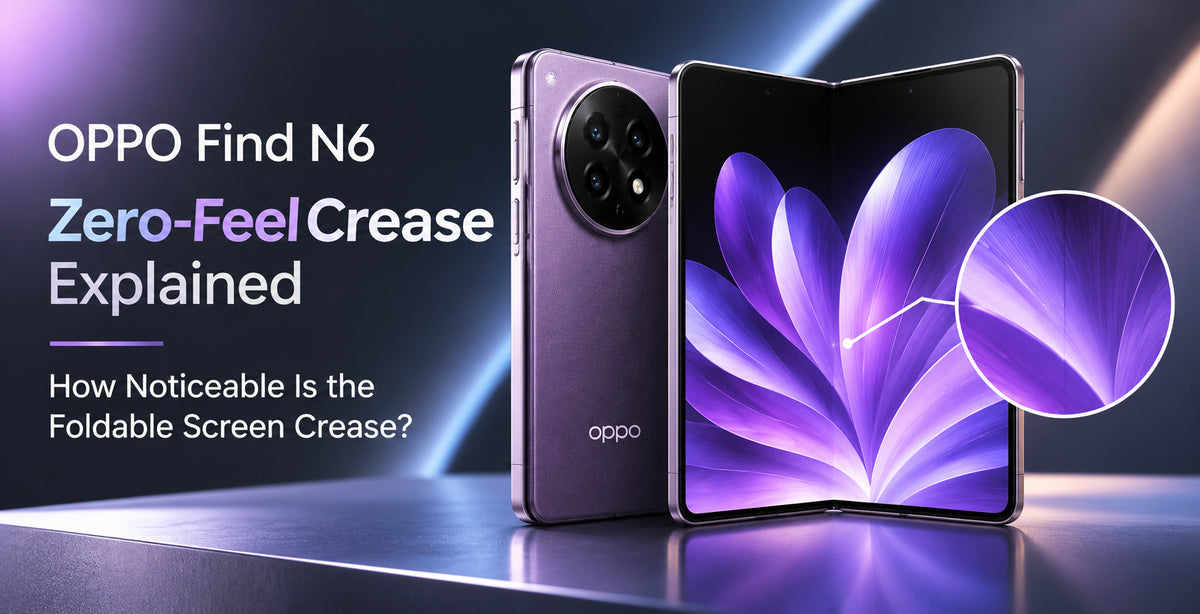
Zero-Feel Crease is OPPO's approach to reducing the visible and physical indentation that appears where a foldable smartphone bends.Traditional foldable displays develop a slight groove along the folding area because the flexible screen repeatedly bends around the hinge. This indentation can become noticeable when light reflects across the display or when users swipe their fingers over the centre.The Find N6 uses a redesigned hinge and specialised flexible glass to minimise this effect.According to OPPO, Zero-Feel Crease does not mean the crease is physically absent. Instead, the technology makes it difficult to notice from most viewing angles under normal conditions.This distinction matters because even advanced foldable displays must retain sufficient flexibility to open and close repeatedly.
How Does the OPPO Find N6 Reduce the Screen Crease?
The Find N6 features OPPO's second-generation Titanium Flexion Hinge, which incorporates an advanced manufacturing process called 3D Liquid Printing.This process uses precise laser scanning to identify microscopic irregularities in the hinge structure. Specialised printing technology then fills these uneven areas with tiny droplets of material, which are hardened using ultraviolet light.The process is repeated multiple times to create a flatter support structure beneath the display.OPPO reports that this engineering reduces hinge height variation from approximately 0.2mm to 0.05mm, representing a 75 percent reduction.The hinge also incorporates a wider waterdrop folding design, allowing the flexible display to bend more gradually.By reducing pressure and uneven support around the folding area, the mechanism helps prevent the prominent indentation commonly associated with foldable smartphones.The result is a screen that appears smoother when unfolded, particularly during normal viewing.
What Is Auto-Smoothing Flex Glass?
Another important component of the Find N6 is its Auto-Smoothing Flex Glass technology.Conventional foldable displays use ultra-thin glass that can bend repeatedly. However, continuous folding may gradually affect the shape of the screen, making the crease more noticeable over time.OPPO's Auto-Smoothing Flex Glass is designed to recover its original shape more effectively after folding.According to the manufacturer, this material provides improved resistance to deformation and better shape recovery compared with conventional ultra-thin glass.When combined with the redesigned hinge, the glass helps maintain a flatter surface throughout repeated folding cycles.This technology is particularly important for people who frequently open and close their smartphones throughout the day.Rather than simply making the crease less noticeable when the device is new, OPPO has focused on maintaining that smoother appearance over extended use.
How Noticeable Is the Crease During Everyday Use?
The most important question for potential buyers is whether they can actually see or feel the crease.Early independent hands-on impressions suggest that the Find N6 delivers a substantial improvement over many conventional foldable displays.When viewing the screen directly, the crease is often extremely difficult to notice, particularly when displaying colourful images, videos or applications.However, it may still become visible under certain lighting conditions or when looking at the screen from an angle.Touch sensitivity also varies between users. Some reviewers report that the crease is almost impossible to feel, while others notice a slight indentation when deliberately moving a finger across the centre.The overall experience appears significantly smoother, but describing the display as completely crease-free would be misleading.
Does the Crease Affect Watching Videos and Gaming?
The Find N6 features a large 8.12-inch internal AMOLED display, making it suitable for entertainment, gaming and multitasking.On foldable smartphones with prominent creases, reflections along the centre can occasionally interrupt the viewing experience.The Find N6's flatter screen helps reduce these distractions.When watching movies, browsing photographs or playing games, the folding line is generally difficult to distinguish while looking directly at the display.This creates a more consistent viewing surface, particularly when using applications that stretch across the entire screen.For Australian users who enjoy streaming entertainment, reading digital publications or playing mobile games, the improved display could make the foldable experience more appealing.However, screen reflections and viewing angles can still influence crease visibility.
Will the OPPO Find N6 Crease Become More Visible Over Time?
Long-term durability is an important consideration when purchasing an expensive foldable smartphone.Repeated folding can gradually change the shape of flexible display materials, potentially increasing crease depth.OPPO claims that its improved hinge and glass technology reduce long-term crease formation by up to 82 percent compared with the Find N5.The company also reports that the Find N6 achieved TÜV Rheinland's Minimized Crease Certification after testing involving 600,000 folds.Additionally, the folding mechanism received reliability certification following one million folding cycles.These results suggest that OPPO has made significant progress in addressing long-term crease development.However, laboratory testing cannot perfectly reproduce every real-world condition. Temperature changes, accidental impacts and individual usage habits may influence how a foldable display ages.
Is the OPPO Find N6 Better Than Previous Foldable Phones?
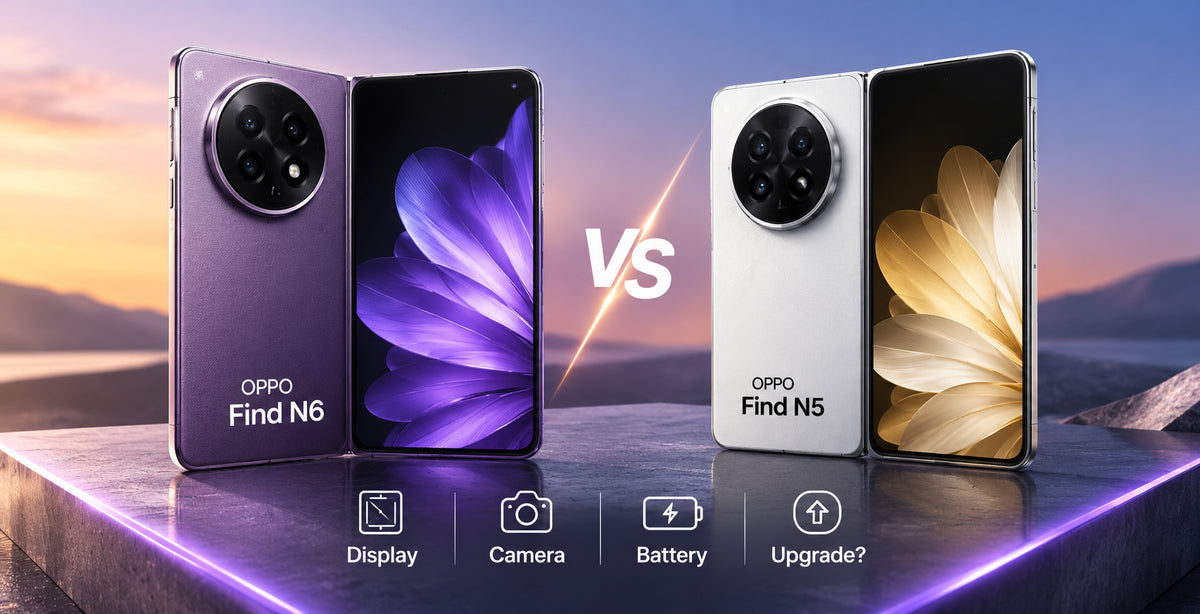
The Find N5 already offered a refined folding mechanism and a relatively subtle display crease.However, the Find N6 introduces more advanced hinge manufacturing, improved flexible glass and additional structural support.These improvements make the centre of the display less noticeable during normal interaction.For existing foldable users who find the crease distracting, the Find N6 could represent a worthwhile improvement.Nevertheless, buyers should consider other factors, including camera performance, battery life, software features and price.A less visible crease improves the experience, but it should not be the only reason to upgrade.