






































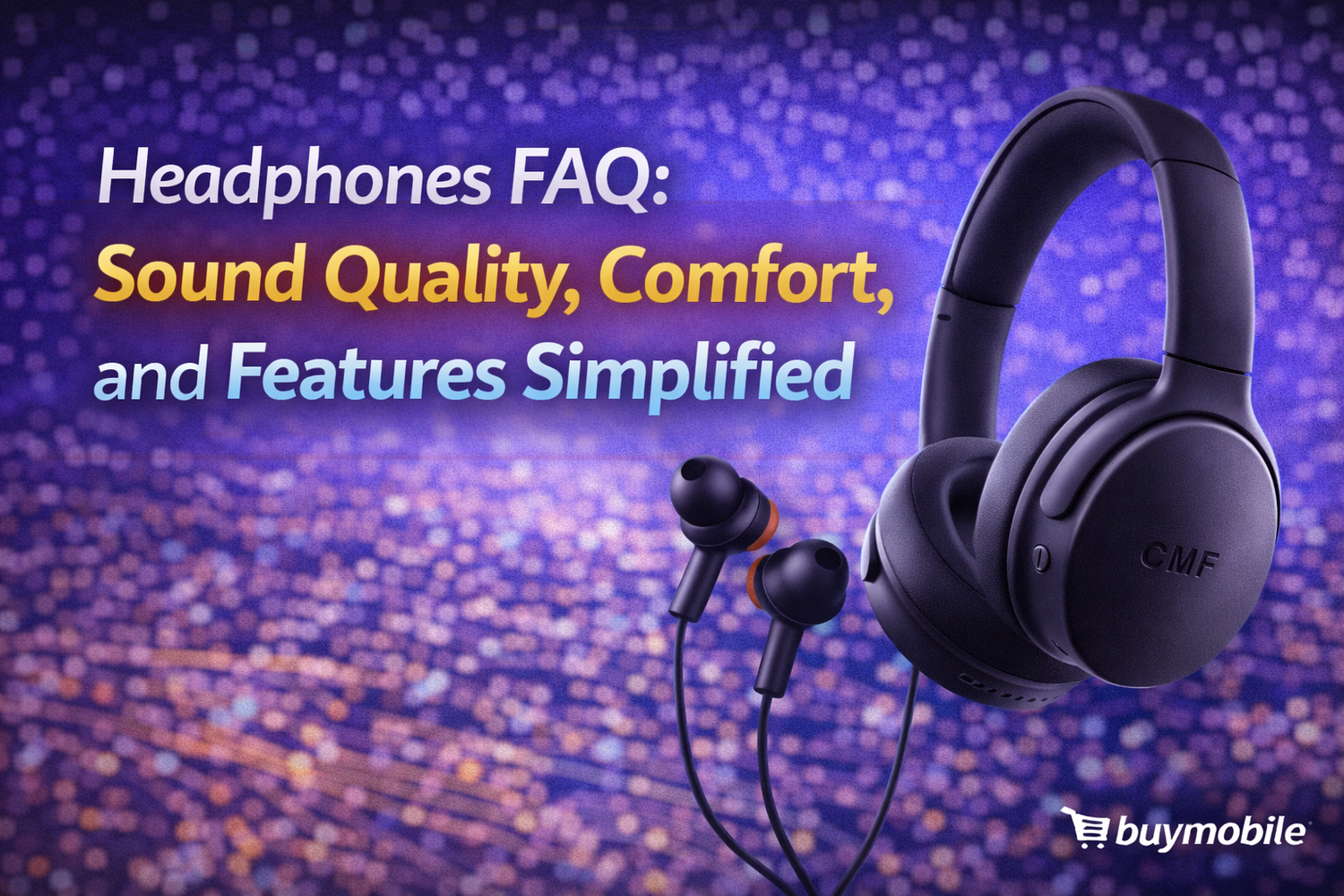
In 2026, headphones have become more than just a way to listen to music. They’re part of how we work, relax, travel, and even communicate. With so many options available, choosing the right pair can feel confusing, especially when every brand claims to offer the “best” sound or the “ultimate” experience.The truth is, most people don’t need the most expensive headphones they just need the right ones. And that starts with understanding the basics. This guide simplifies the most common questions around sound quality, comfort, and features so you can make a smarter choice.
What Does “Good Sound Quality” Actually Mean?
Sound quality is often the first thing people look for, but it’s also the most misunderstoodMany assume that louder bass or sharper highs automatically mean better sound. In reality, good sound quality is about balance. A good pair of headphones should allow you to hear vocals clearly, instruments distinctly, and details without distortion.Different headphones are tuned differently. Some emphasize bass, which can make music feel more energetic, while others aim for a balanced sound that works well across all genres. There’s no single “perfect” sound it depends on what you enjoy listening to.What matters most is clarity and consistency. If your headphones sound good across different types of content, you’re on the right track.
Do Expensive Headphones Always Sound Better?
Price can be an indicator of quality, but it’s not the whole story.Premium headphones often offer better build quality, more advanced features, and refined audio tuning. However, many mid-range headphones now deliver excellent sound that satisfies most users.The difference between mid-range and high-end models is often subtle, especially for casual listeners. Unless you’re an audiophile, you may not notice a dramatic improvement.It’s better to focus on value rather than price alone. A well-balanced mid-range pair can often outperform an overpriced premium one in real-world use.
Why Is Comfort So Important?
Comfort is one of the most overlooked aspects of headphones, yet it can completely change your experience.Even the best-sounding headphones become frustrating if they feel uncomfortable after a short time. This is especially important if you use headphones for work, travel, or long listening sessions.Factors like weight, ear cushion quality, and headband design all play a role. Over-ear headphones usually offer better comfort for extended use, while in-ear options are more portable but may not suit everyone.A comfortable pair of headphones should feel natural, almost like you’re not wearing anything at all.
What Is Active Noise Cancellation and Should You Care?
Active Noise Cancellation, often called ANC, is a feature designed to reduce background noise.It works by using microphones to detect external sounds and cancel them out, creating a quieter listening environment. This can be especially useful in noisy places like public transport, offices, or crowded areas.Not everyone needs ANC, but it can make a noticeable difference if you often find yourself in busy environments. It allows you to listen at lower volumes while still hearing your content clearly.For many users, it’s one of those features that becomes hard to live without once you’ve experienced it.
Are Wireless Headphones Better Than Wired?
Wireless headphones have become the standard in recent years, mainly because of convenience.They allow you to move freely without dealing with cables, making them ideal for everyday use. Modern wireless technology has improved significantly, offering stable connections and good sound quality.Wired headphones still have their advantages, especially for those who want the highest possible audio fidelity. They don’t rely on battery life and can deliver slightly more consistent sound.For most people, wireless headphones are the better choice. They offer a balance of convenience and performance that fits modern lifestyles.
How Much Does Battery Life Matter?
Battery life is a key factor for wireless headphones, especially if you use them throughout the day.Most modern headphones offer enough battery to last a full day or more, depending on usage and features like ANC. Longer battery life means fewer interruptions and less time spent charging.Fast charging is another feature worth considering. It allows you to quickly top up your headphones when you’re short on time.A reliable battery ensures that your headphones are always ready when you need them.
What Features Should You Actually Look For?
With so many features available, it’s easy to get distracted by things you may never use.The most important features are the ones that improve your daily experience. Good sound quality, comfortable design, and reliable connectivity should always come first.Features like noise cancellation, transparency mode, and app customization can add value, but they should complement the basics rather than replace them.It’s better to choose headphones that excel in a few key areas rather than ones that try to do everything.
Are Headphones Good for Calls and Work?
Headphones are no longer just for music. Many people now use them for calls, meetings, and remote work.A good pair of headphones should offer clear microphone quality and reduce background noise during calls. This ensures that your voice is heard clearly, even in busy environments.Comfort also plays a major role here. If you’re attending long meetings, you need headphones that won’t cause discomfort over time.For work use, reliability and clarity matter just as much as sound quality.
How Do You Choose the Right Headphones for You?
Choosing the right headphones comes down to understanding your needs.Think about how you plan to use them. If you travel often, noise cancellation and portability become important. If you work from home, comfort and call quality matter more. If you’re a music lover, sound quality becomes the top priority.There’s no one-size-fits-all solution. The best headphones are the ones that fit your lifestyle.


